

In the current landscape of college athletics, nothing can be deemed "official."
The UNC football program thought they had a commitment from Baylor transfer offensive lineman Sean Thompkins, but that quickly changed.
Sean Thompkins has a change of heart
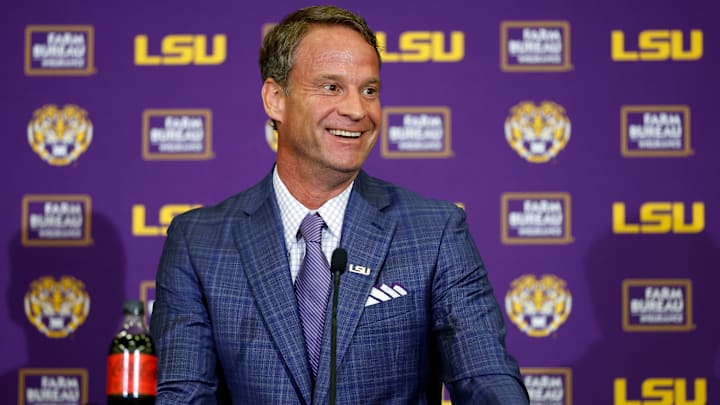
Instead of taking his talents to Chapel Hill, Thompkins flipped his commitment to Lane Kiffin and LSU.
LSU has landed a commitment from Baylor offensive line transfer Sean Thompkins, his agency @thebizofathlete tells me, @chris_hummer and @CodyNagel247.
— Matt Zenitz (@mzenitz) January 16, 2026
The 6-foot-5, 300-pounder made five starts this season at Baylor. pic.twitter.com/33DUw4kXvT
Just 10 days after pledging to the Tar Heels, the former Baylor Bear changed course. We all know the type of reputation Kiffin has as a poacher, so this move shouldn't come as a surprise to anyone.
If he thinks he can get a player he likes (whether fully committed and signed on the dotted line or not), he'll go get them without any repercussions.
What this means for UNC
This impacts the UNC football program's effort to bolster its offensive line unit this offseason. Once counting on Thompkins to be part of that rebuilding process, now the Tar Heels will have to explore other potential options that might be available for them.
Remember, the transfer portal window for players to enter is officially closed. What's left in the portal is what Bill Belichick, Michael Lombardi and the UNC football program will have to work with.
The news isn't surprising...
Even after pledging to the UNC football program, Thompkins still continued dialogue with other programs. He heard from the likes of Auburn and Nebraska while actually taking visits to LSU and Kansas State, ultimately deciding to sign with the Tigers.
While student-athletes have the right to pick their destination, the question we all should be asking is:
Why would a student-athlete even commit to a program if they weren't fully sure with their decision?
Ultimately, it just hurts the program that secured the initial commitment, forcing them to pivot to fill the void they once thought they filled.
 Add us as a preferred source on Google